
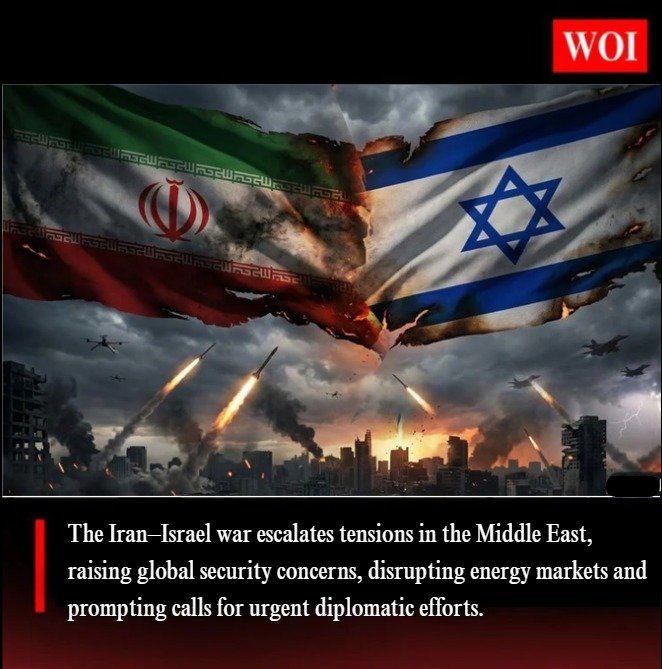
A major conflict has erupted between Iran and Israel, escalating tensions across the Middle East and drawing global concern. The war began on February 28, 2026, when Israel, supported by the United States, launched coordinated airstrikes on several targets inside Iran, including military facilities and strategic infrastructure.
The strikes were part of a military campaign aimed at weakening Iran’s nuclear and missile capabilities. During the attacks, Iran’s Supreme Leader Ali Khamenei and several senior officials were reportedly killed, marking one of the most dramatic developments in the conflict.
In response, Iran launched hundreds of missiles and drones toward Israel and U.S. military bases across the Middle East, targeting locations in countries such as Bahrain, Jordan, Qatar, and the United Arab Emirates. These retaliatory attacks have triggered air-defense responses and heightened military alert across the region.
The conflict has also spread beyond the two countries. Iran-backed groups such as Hezbollah in Lebanon have joined the confrontation, firing rockets into Israel while Israel has carried out strikes in Lebanon.
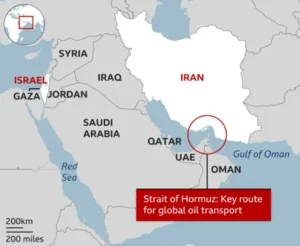
According to recent reports, the war has already caused significant civilian casualties and damage to infrastructure, with thousands affected by airstrikes and missile attacks. The fighting has also disrupted global energy markets and increased concerns about the security of the Strait of Hormuz, one of the world’s most important oil shipping routes.
International leaders and organizations have called for immediate de-escalation and diplomatic dialogue, warning that the conflict could expand into a broader regional war if tensions continue to rise.
The Iran–Israel war remains ongoing, with the situation changing rapidly and global powers closely monitoring developments in the region.
