
Hyderabad:
Now days, Social media has become a major hub for cybercrime, where unverified allegations spread rapidly and go viral. Even public figures like have faced wrongful claims online, making it increasingly difficult to distinguish fact from falsehood.
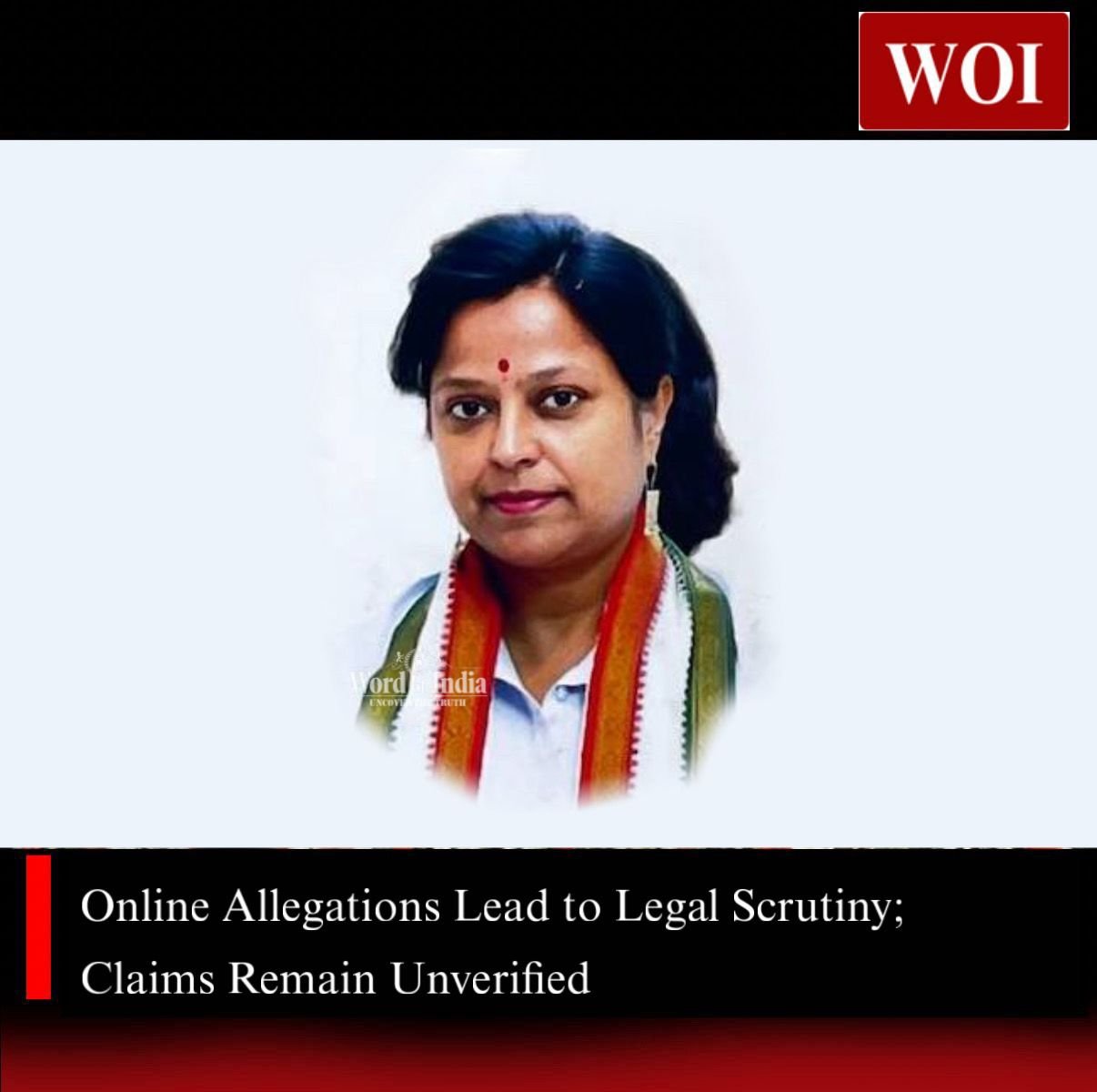
An online controversy triggered by anonymous social media posts has moved towards legal scrutiny after senior writer and public intellectual Kota Neelima, who is also an AICC Member and Vice President of the Telangana Pradesh Congress Committee (TPCC), rejected the allegations and initiated steps for civil and criminal legal action.

The allegations originated from an anonymous account on X (formerly Twitter) using the name “The Hawk Eye.” The handle, which has no publicly disclosed identity, institutional backing, or legal standing, circulated posts alleging the existence of a so-called foreign-funded media influence network and named Kota Neelima in that context.
As of now, no court, government agency, investigative body, or statutory authority has taken cognisance of these claims. There is no FIR, charge sheet, official inquiry, or regulatory finding supporting the allegations circulated online.

Legal observers point out that anonymous social media posts cannot be treated as evidence and do not amount to an investigation under law. Any determination of facts, they note, can only be made through due process and judicial scrutiny.
Several media organisations have reported the issue strictly as an instance of online allegations followed by denial and legal response, clearly stating that the claims remain unverified and contested. These reports have consistently clarified that the allegations originated on social media and were not backed by any official confirmation.
The developments have once again brought attention to the growing concern over trial by social media, where anonymous accounts attempt to influence public perception without accountability, verification, or legal authority—often targeting individuals in public life.
