
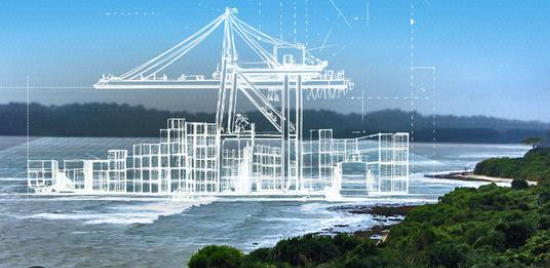
The ₹72,000 crore Great Nicobar Infrastructure Project (GNIP) aims to transform Great Nicobar Island with a trans-shipment port, international airport, township, and power plant. While promising economic growth, the project has raised serious concerns due to the island’s high seismic vulnerability.
Earthquake and Tsunami Risk

Located near the Andaman-Sumatra fault line, the region experienced massive destruction during the 2004 Indian Ocean tsunami, which killed over 1,500 in the Nicobar Islands alone. Despite this, the project’s Environment Impact Assessment (EIA) — based on a 2019 IIT-Kanpur study — claims a low probability of a similar event, estimating a return period of 420–750 years for magnitude 9+ earthquakes.
However, experts point to data gaps and the absence of site-specific seismic studies. The EIA omits critical findings like a 2,000-year missing sediment record, which adds uncertainty to risk predictions.
Scientific Warnings
Geologists highlight local fault lines, tectonic uplift, and potential rupture zones south of Andaman as additional red flags. Earthquake recurrence in the region is non-linear, meaning long periods of calm can be followed by major disasters — making the area extremely unpredictable.
Government & Legal Oversight
A senior Ministry of Earth Sciences official confirmed no dedicated seismic studies were conducted at GNIP sites. The National Green Tribunal (NGT) has since ordered a review of the environmental and tribal impacts, stressing the need for robust disaster planning.
The Bigger Picture
While the GNIP could bring strategic and economic advantages, balancing infrastructure growth with ecological safety and seismic preparedness is critical. Experts urge caution to avoid repeating past mistakes in a highly volatile zone.
