
By Soniya:
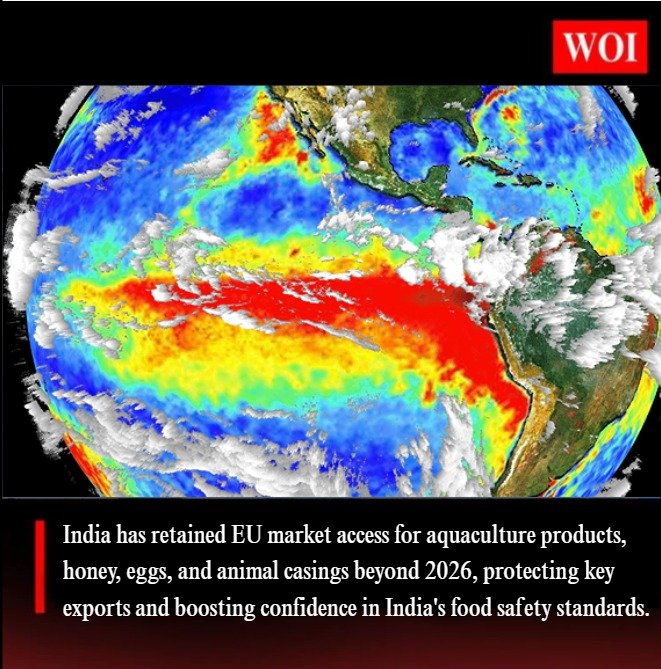
The return of El Niño in 2026 has sparked concerns among climate scientists and weather agencies worldwide, as the phenomenon is expected to significantly influence global weather patterns in the coming months. According to the Japan Meteorological Agency (JMA), warming sea surface temperatures in the equatorial Pacific Ocean indicate the onset of a new El Niño event, the first since 2023.
El Niño is a naturally occurring climate phenomenon characterized by unusually warm ocean waters in the central and eastern Pacific. These warmer waters alter atmospheric circulation patterns, often leading to extreme weather events such as droughts, floods, heatwaves, and disruptions to rainfall across different regions of the world.
Meteorologists warn that the current event could strengthen further during the second half of 2026 and potentially develop into a very strong or “Super El Niño” if Pacific Ocean temperatures continue to rise. Such events have historically been associated with severe agricultural losses, water shortages, and increased economic impacts.
For India, El Niño is closely linked to the performance of the southwest monsoon. Strong El Niño years often result in below-normal rainfall, delayed monsoon activity, and drought-like conditions in several regions, affecting agriculture and water resources. Crops such as rice, wheat, coffee, cocoa, cotton, and palm oil are particularly vulnerable to changing weather patterns.
Globally, the phenomenon is expected to increase the likelihood of extreme weather events, including prolonged droughts in some regions and heavy rainfall and flooding in others. Scientists and policymakers are closely monitoring developments as countries prepare for potential impacts on food security, water availability, and climate resilience.
As El Niño strengthens, governments and weather agencies worldwide are expected to enhance forecasting, disaster preparedness, and mitigation measures to reduce its socio-economic consequences.
